What a Drain Inspection Camera Can Tell You About Your Pipes
Every drainage system tells a story. Some stories are boring, which is exactly what you want. Others involve tree roots, collapsed sections, or a slow accumulation of grease that has been building for years. The trouble is, you cannot read that story from the surface. You need eyes underground, and that is where a drain inspection camera becomes the single most useful tool for diagnosing what is really going on inside your pipes.
I have spent twenty years working with drains in Essex, London, and across the M25 corridor. In that time I have seen every kind of blockage and every kind of guesswork that goes wrong. Homeowners shove drain rods down and hope for the best. Plumbers run a water jetter through and clear a path without knowing what they are passing. Neither approach tells you the full picture. A proper remote inspection with a CCTV drain survey does, and it saves you money in the long run because you stop treating symptoms and start fixing causes.
Why Guessing Costs More Than a Camera
When a pipe blockage first shows up - water backing up into a sink, a slow toilet flush, a foul smell near the manhole access - the natural reaction is to grab whatever is handy. Drain rods, a cheap chemical cleaner, maybe a plunger. Those things work for simple clogs. But if the problem is deeper, you can spend hours and still not shift it. Worse, you might push the blockage into a tighter section and make the eventual fix more expensive.
I once worked on a property drainage system in a Victorian house in east London where the owners had been plunging and rodding for three weeks. They thought it was a fatberg. It turned out to be a collapsed clay pipe that had been slowly filling with silt. A drain inspection camera showed the break in about ten minutes. Without that camera, they would have kept chasing symptoms and never found the source. The repair was straightforward once we knew where to dig.
What a CCTV Drain Survey Actually Shows
A CCTV drain survey is not just a video of your pipes. It is a structured inspection that records the condition of every section between manholes. The camera travels through the pipe while the operator watches in real time, noting cracks, root intrusion, displaced joints, and standing water. A good survey produces a report with depth markers, direction of flow, and recommendations for repair or maintenance.
The equipment varies. A basic rig uses a Rigid drain camera on a push cable, which works well for straight runs up to about fifty metres. For longer or more complex systems, a crawler camera with track wheels handles bends and changes in pipe size. Both types are part of what we call drain tracing equipment. The choice depends on the pipe diameter, the number of bends, and how much debris is inside. No single tool covers every job, and an experienced operator knows which to use and when.
One thing that surprises many homeowners is that a camera survey can reveal problems that have nothing to do with blockages. A pipe might be structurally sound but slightly misaligned, causing water to pool rather than flow freely. That pooling leads to silting, which eventually becomes a blockage. Catching it early means you can plan a relining or a spot repair before the whole section fails.
How a Drain Inspection Camera Fits Into the Wider Toolkit
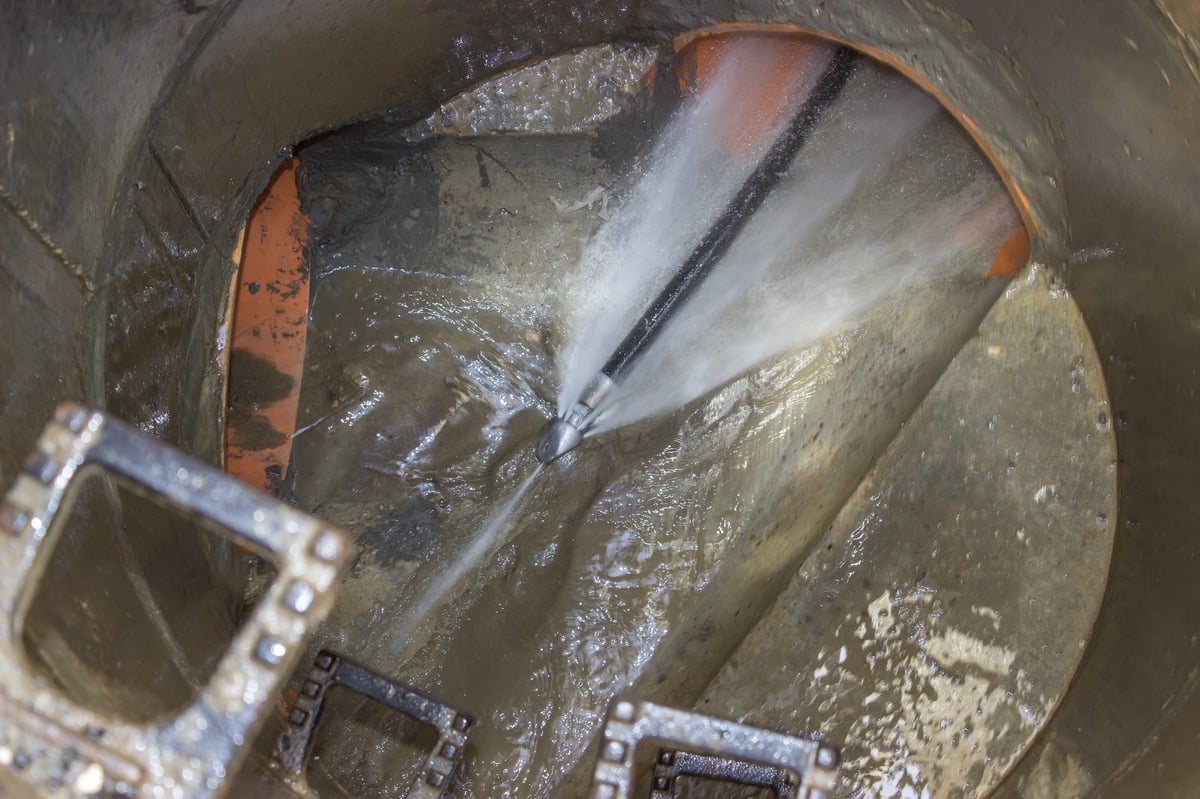
A camera is not a magic wand. It is one part of a larger set of equipment that includes drain cleaning nozzles, water jetters, and drain rods. The sequence matters. Before you can inspect a pipe, you usually need to clear it enough for the camera to pass. That means using a water jetter to blast out loose debris or drain rods to break up a solid blockage. Only then does the camera go in to assess the condition of the pipe walls.
I have seen contractors skip the cleaning step and push a camera through a partly blocked pipe, getting a muddy, useless image that tells them nothing. That is a waste of everyone's time. A proper blocked pipe diagnosis starts with clearing and flushing, then inspection, then interpretation. Each step has its own tools, and each step depends on the one before it.
For locating drain blockages, the combination of a water jetter and a camera is hard to beat. The jetter pushes a high-pressure stream of water through the pipe, which both cleans and helps identify the blockage location by back pressure. The camera then confirms what the jetter felt. Together they turn a blind guess into a precise diagnosis.
Underground Pipe Assessment in Practice
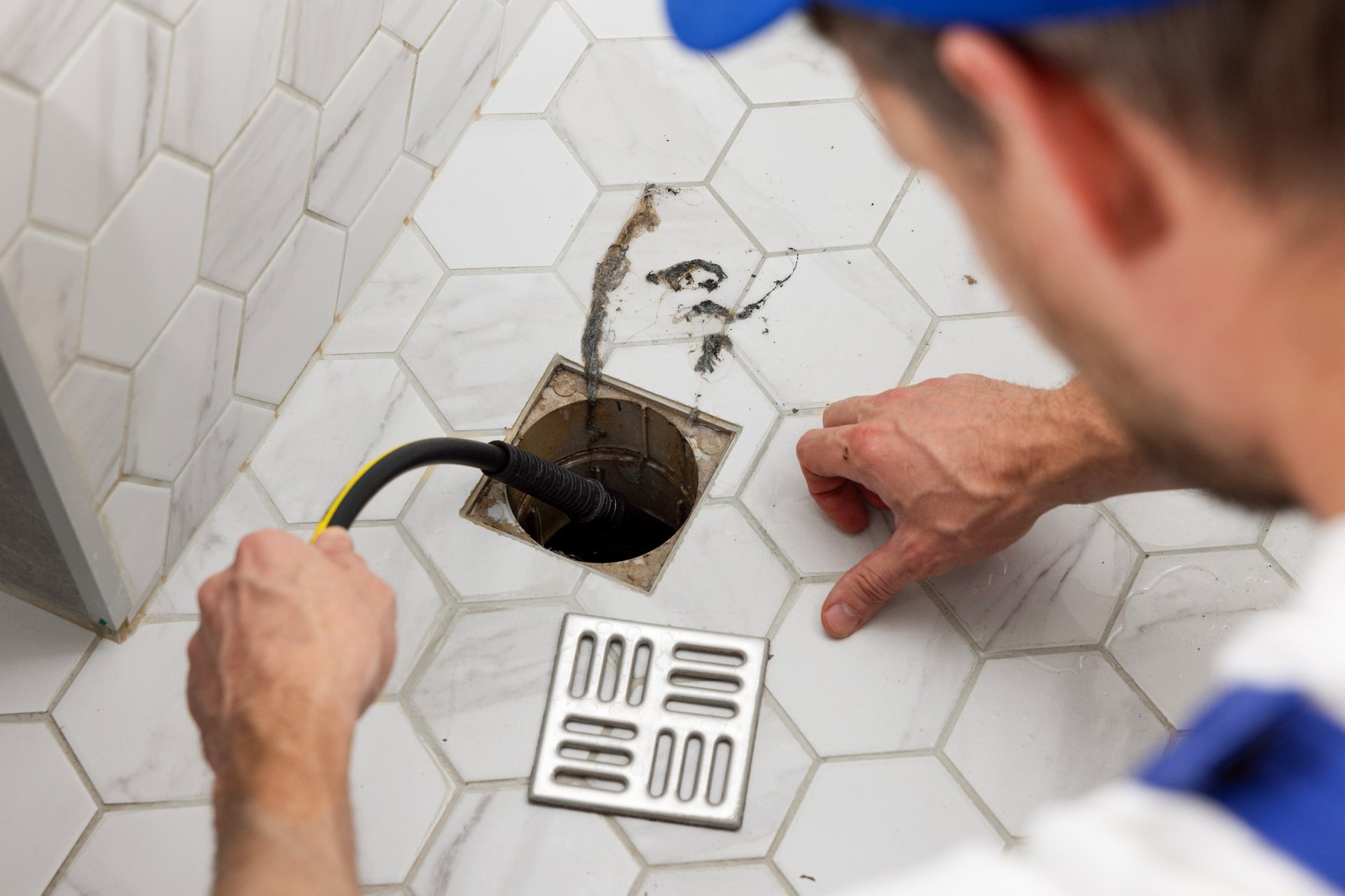
I did an underground pipe assessment last month for a commercial property near Chelmsford. The tenant reported slow drainage in the kitchen, and the landlord assumed it was grease. We ran a drain inspection camera from the nearest manhole access and found a section of cast iron pipe that had corroded internally, creating a rough surface that caught every bit of fat that went down. The pipe was not blocked solid yet, but it would be within six months. The solution was not rodding or jetting. It was relining that section with a cured-in-place liner to restore a smooth internal finish. The camera gave us the evidence to make that call.
That kind of assessment is routine for Essex drainage services and London drainage teams that deal with older infrastructure. Victorian sewers, 1930s clay pipes, 1970s plastic - each material ages differently and shows different failure patterns. A camera operator who has seen hundreds of inspections develops a feel for what matters and what is just cosmetic. A hairline crack in a clay pipe is a problem. A slight discolouration on a modern PVC pipe is probably nothing. Experience makes the difference.
When to Call for a Sewer Inspection
Not every drainage problem needs a camera. If you have a simple sink blockage that clears with a plunger, you do not need a survey. But there are clear signs that call for a proper sewer inspection. If you have recurring blockages in the same part of the system, if water backs up after heavy rain, if you notice a dip or sinking ground above the pipe run, or if you are buying or selling a property and want to know the true condition of the drainage, then a camera survey is the right move.
Many of the customers I work with across the M25 drainage coverage area call after they have already tried everything else. They have spent money on chemicals, on drain rods, on a local handyman who said he could fix it. By the time they reach us, they are frustrated and out of pocket. A single CCTV drain survey would have saved them hundreds of pounds and a lot of stress.
The cost of a survey is modest compared to the cost of an emergency dig. If you wait until a pipe bursts or a blockage causes a flood inside the property, you are looking at excavation, reinstatement, and possibly structural repairs. A camera survey costs a fraction of that and can be arranged quickly. With no callout charge for properties within the coverage area, it makes even more sense to book one early rather than late.
Practical Tips for Property Owners
If you are considering a drain inspection, there are a few things to keep in mind. First, make sure the surveyor provides a written report with video footage. A verbal summary is not enough to compare against future inspections or to show a contractor who needs to do repairs. Second, ask about the camera type. A Rigid drain camera on a push cable is fine for straight domestic pipes, but a crawler with a pan-and-tilt head gives better coverage in larger commercial systems. Third, ensure the survey includes every manhole access on the property, not just the one nearest the blockage. Problems often start far from where they show up.
Drain maintenance is not glamorous, but it is essential. A little attention every year can prevent the kind of emergency that costs thousands. A camera survey every two or three years, combined with routine cleaning using a water jetter or drain cleaning nozzles, keeps your property drainage system in good shape. For commercial properties, annual surveys are a smart investment because downtime is expensive and reputation matters.
I have been doing this work long enough to know that most people never think about their drains until something goes wrong. That is human nature. But the ones who do think ahead, who call for a remote inspection at the first sign of trouble, save themselves the worst of it. A drain inspection camera gives you the truth about what is underground, and that truth lets you make the right decision at the right time.